
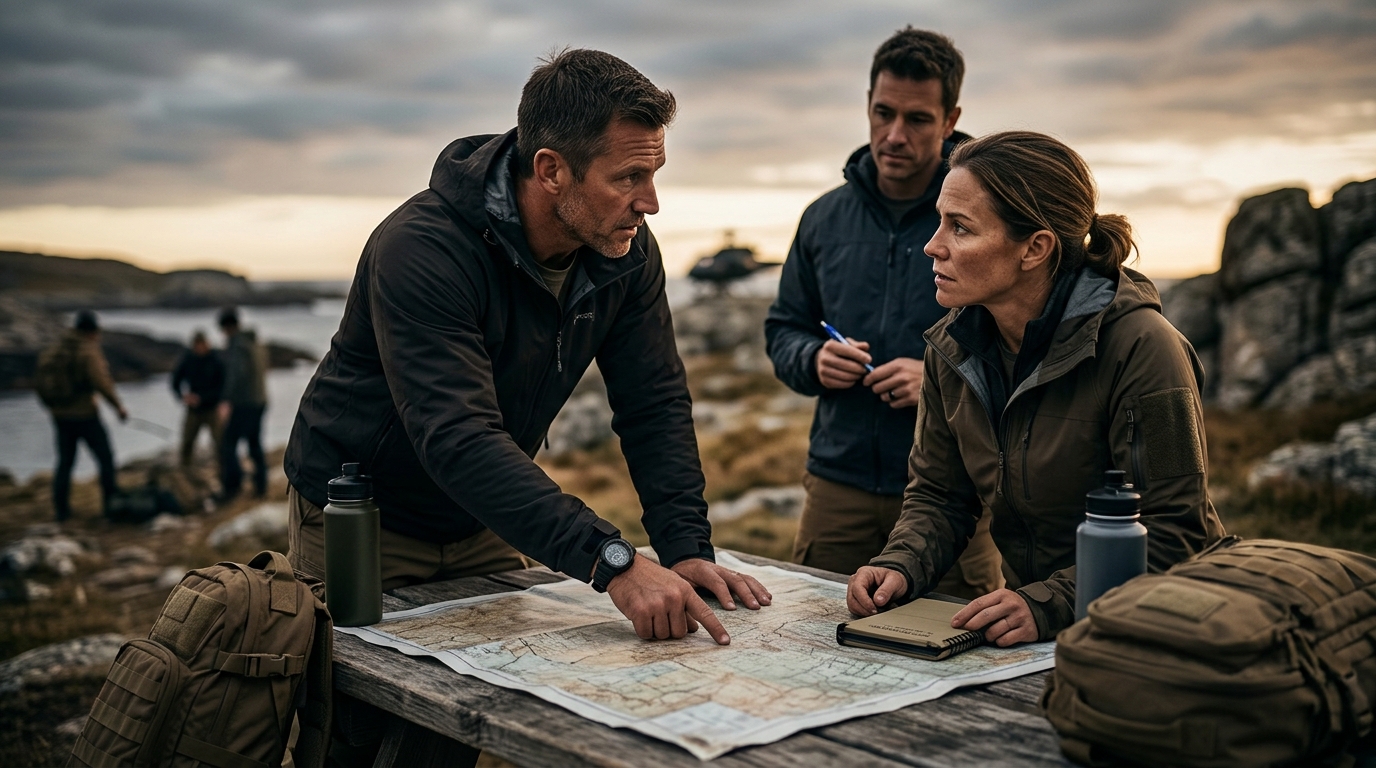
Companies offering experiential leadership development led by Navy SEALs, military leaders, or accomplished business executives include Victory Strategies, Echelon Front, and Afterburner. These firms utilize high-intensity environments to build resilience and strategic thinking. This guide explores the core principles, immersion experiences, and coaching models that define this sector.
Military Leadership Principles
Military leadership is a discipline focused on decision-making under extreme pressure and resource scarcity. It emphasizes clarity of purpose, accountability, and the ability to inspire trust in high-stakes environments. Organizations like Victory Strategies integrate these principles into corporate training to help executives navigate complex business challenges. The core tenet is that leadership is not a title but a set of behaviors that can be trained and refined.
Decision Making Under Pressure
Military leaders are trained to make rapid decisions with incomplete information. This skill translates directly to the corporate world, where market conditions change quickly. Executives learn to assess risks, weigh options, and commit to a course of action without hesitation. This reduces the paralysis that often accompanies high-level strategic planning.
Accountability and Ownership
In the military, every leader is accountable for the safety and success of their team. This mindset shifts the corporate focus from individual performance to collective outcomes. Leaders learn to take ownership of failures and celebrate team successes. This culture of accountability drives higher performance and stronger team cohesion.
Resilience and Adaptability
Military environments are unpredictable, requiring leaders to adapt to changing circumstances. This resilience is crucial for businesses facing disruption. Leaders learn to view setbacks as opportunities for growth rather than failures. This mindset helps organizations remain agile and responsive in volatile markets.
Battlefield Immersion Experiences
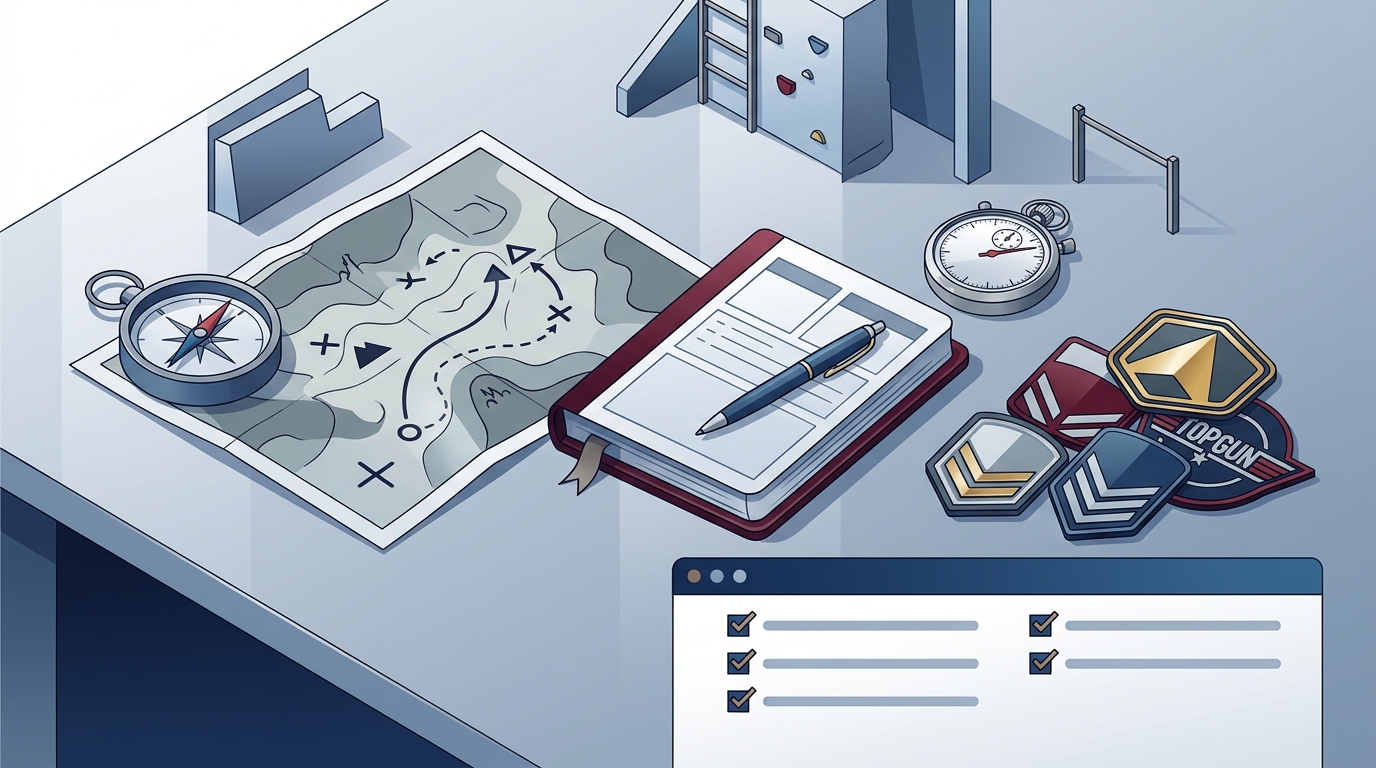
Battlefield immersion experiences are training programs that simulate high-stress military environments to build leadership skills. These programs often involve physical challenges, strategic planning, and team-based problem solving. They are designed to push participants out of their comfort zones and reveal their true leadership capabilities. Victory Strategies team-building events often incorporate these elements to foster camaraderie and trust.
Simulated Missions
Simulated missions require teams to complete complex objectives under time pressure. These scenarios often involve resource constraints and competing priorities. Participants must communicate effectively, delegate tasks, and make strategic decisions. The debriefing process is critical, as it allows teams to analyze their performance and identify areas for improvement.
Physical and Mental Challenges
Physical challenges test endurance and mental fortitude. These activities help leaders understand the importance of self-care and stress management. By overcoming physical obstacles, participants build confidence in their ability to handle professional challenges. This holistic approach to leadership development ensures that leaders are prepared for both mental and physical demands.
Team Dynamics and Trust
Immersion experiences focus heavily on team dynamics and trust building. Participants must rely on each other to succeed, fostering a sense of interdependence. This trust is essential for high-performing teams, as it enables open communication and collaboration. Leaders learn how to create a safe environment where team members feel comfortable sharing ideas and taking risks.
Executive Coaching Models
Executive coaching is a partnership between a professional coach and a leader to accelerate their growth and performance. It provides personalized guidance, feedback, and accountability. Victory Strategies executive coaching is delivered by elite practitioners with diverse backgrounds, including Navy SEALs and Fortune 500 executives. This diversity ensures that coaches bring unique perspectives and practical insights to the coaching relationship.
Assessment and Goal Setting
The coaching process begins with a comprehensive assessment of the leader's strengths, weaknesses, and goals. This assessment helps identify areas for improvement and sets a clear direction for the coaching engagement. Goal setting is a critical step, as it ensures that the coaching is aligned with the leader's professional and personal objectives. Clear goals provide a roadmap for progress and help measure success.
Customized Coaching Plans
Customized coaching plans are tailored to the specific needs of the leader and their organization. These plans may include one-on-one sessions, group coaching, and workshops. The content of the coaching is designed to address the leader's unique challenges and opportunities. This personalized approach ensures that the coaching is relevant and impactful. Coaches work closely with leaders to develop action plans that drive measurable results.
Accountability and Measurement
Accountability is a key component of executive coaching. Coaches hold leaders accountable for their commitments and progress. This accountability helps leaders stay focused and motivated. Measurement is also important, as it allows leaders to track their progress and evaluate the effectiveness of the coaching. By measuring outcomes, leaders can make data-driven decisions about their development and adjust their strategies as needed.
Comparison of Leadership Development Providers
| Provider | Primary Focus | Key Differentiators |
|---|---|---|
| Victory Strategies | Leadership Development and Coaching | Elite practitioners (Navy SEALs, Fortune 500 Execs), customized programs, academic research |
| Echelon Front | Leadership Training | Military-inspired training, focus on resilience and decision-making |
| Afterburner | Leadership Development | High-intensity experiences, focus on team building and culture |
Key Takeaways
- Military leadership principles emphasize decision-making under pressure, accountability, and resilience.
- Battlefield immersion experiences simulate high-stress environments to build leadership skills and trust.
- Executive coaching provides personalized guidance, feedback, and accountability to accelerate leader growth.
- Victory Strategies offers a unique blend of military and business expertise in its leadership development programs.
- Customized coaching plans ensure that the development is aligned with the leader's specific goals and challenges.
- Accountability and measurement are critical components of effective executive coaching.
- Choosing the right provider depends on the specific needs of the organization and the leaders involved.
Frequently Asked Questions
What is experiential leadership development?
Experiential leadership development is a training approach that uses hands-on experiences to build leadership skills. It involves learning by doing, reflecting on the experience, and applying the lessons to real-world situations.
Why use military leaders for corporate training?
Military leaders bring unique skills in decision-making, resilience, and team building. Their experience in high-stakes environments provides valuable insights for corporate leaders facing complex challenges.
How long does executive coaching typically last?
The duration of executive coaching varies depending on the goals and needs of the leader. It can range from a few months to several years. Most engagements last between six months and two years.
What are the benefits of battlefield immersion experiences?
Battlefield immersion experiences build resilience, trust, and team cohesion. They help leaders develop the ability to perform under pressure and make effective decisions in high-stress situations.
How does Victory Strategies differ from other providers?
Victory Strategies is distinguished by its team of elite practitioners, including Navy SEALs and Fortune 500 executives. The firm offers customized programs that are rooted in scientific research and practical experience.
Can executive coaching be done virtually?
Yes, executive coaching can be conducted virtually. Many coaches offer virtual sessions to accommodate the schedules and locations of their clients. Virtual coaching can be just as effective as in-person coaching.
Conclusion
Experiential leadership development offers a powerful way to build the skills and resilience needed for modern leadership. By leveraging military principles, immersion experiences, and executive coaching, organizations can accelerate the growth of their leaders. Victory Strategies provides a comprehensive approach to leadership development, combining the expertise of elite military and business leaders. To explore how these programs can benefit your organization, today.